
Planning ahead
Hopes and Dreams for Your Future
Everyone has hopes and dreams for the future.
Your hopes and dreams are the things you would like to do, learn or achieve.
Some goals may take a long time. Some goals may happen sooner.
Your hopes and dreams could be:
- Going to college, university or training
- Getting a job and earning money
- Doing a supported internship or apprenticeship
- Learning new skills, making friends and building relationships
- Taking part in activities you enjoy
- Being part of your community
- Living more independently
- Travelling on your own or with support
- Staying healthy and looking after your wellbeing
It's okay if you're not sure what you want yet. Thinking about what matters to you can help you plan your next steps and make choices about your future.
Whether you're thinking about college, training, work, supported internships or becoming more independent, this section is here to help. You'll find advice, resources and real-life experiences from other young people to support you in planning your next steps and achieving your goals.
Watch a video 🎬
There's a great video called The Future, produced by Buckinghamshire, Oxfordshire and Berkshire West NHS, which features young people with special educational needs and disabilities (SEND) talking about their hopes, aspirations and plans for the future.

Find out more
The SEND Local Offer for Children and Young People includes additional information, resources and videos in the Get to Know Me section. Topics include What It's Like to Be Me, Things I Like to Do, and Understanding Me. You can view these resources here.
Taking your first steps towards adulthood can feel exciting and sometimes a little overwhelming. Kids Young People's Hub has a section which includes advice, real-life stories and practical tips to help you plan for the future. You'll find information about learning new skills, travelling independently, staying healthy, making friends, finding work, and becoming more independent as you prepare for adult life.

You can also find help to plan ahead in the Preparing for Adult Life section of the Norfolk SEND Local Offer, which has lots of information to help you think about your future. Although it is mainly written for parents and carers, you might find it useful too. It includes information about college, training, work, being more independent, staying healthy and getting the right support.


Where can I get help?
People who can help
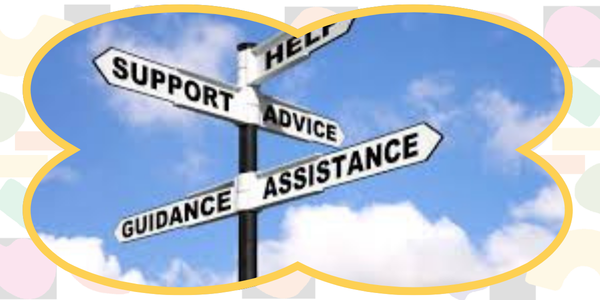
You do not have to plan your future on your own. There are lots of people who can help and support you.
- Your parents, carers, family members or friends
- Teachers and staff at your school or college
- Your SENCO (Special Educational Needs Coordinator)
- Careers advisers who can help you think about education, training and work
- Leaders of clubs, activities or hobbies you enjoy
- Support workers or other professionals who work with you
- Norfolk County Council or independent support organisations
If you're not sure who to talk to, start with someone you trust. They can help you find the right person to support you.

Professionals who can help you prepare for adult life
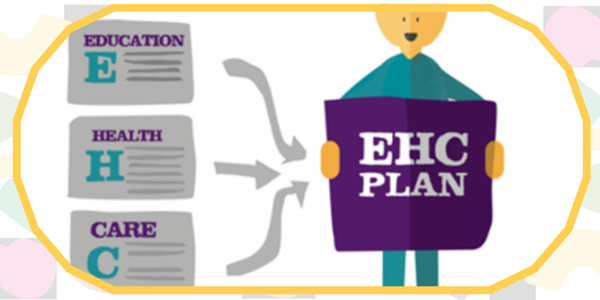
Lots of different people can help you think about and plan for your future. These pages in the Preparing for Adult Life section explain who these people are and how they can support you with things like education, training, work, health and becoming more independent. If you have an Education, Health and Care (EHC) plan, some of these people may come to your annual review meetings. When you are in Year 9, your annual review will focus on preparing for adulthood. This is a chance to talk about your goals, the future you want, and the support you might need to get there.
Education, Health & Care Plan (EHCP)
You may already be talking about your future plans if you have an EHCP. If you do not have an EHCP and think you might need one, find out more here and learn how to apply.

Further information and support
>Raising Participation Age.

If you are 16 or 17 years old, you must stay in some form of education, training or work with training until your 18th birthday - which is also known as the raising participation age.
There are lots of different ways to do this, including going to college, starting an apprenticeship, doing a supported internship or getting a job with training.
The rules can sometimes be confusing. If you'd like to find out more, there's a helpful guide from Child Law Advice.
>Choices at 16 for young people with SEND

After Year 11, you can leave school on the last Friday in June if you are 16 or older. This is called the school leaving date.
There are lots of different options for what you can do next, including:
- Stay at your school's sixth form
- Move to a different sixth form
- Go to a further education (FE) college
- Attend a specialist college
- Start an apprenticeship
- Get a job with training
- Take part in a supported internship
- Volunteer while continuing part-time education or training
Choosing what to do after Year 11 is an important step. Take time to explore your options and think about what is right for you.
- The info and advice section of Help You Choose has more information.
- Download a leaflet (mainly for parents but you might find it useful) with more information about post-16 choices.
>When you turn 18, you may have even more choices about what you'd like to do next

These could include
- going to college, university, or a training provider,
- starting an apprenticeship,
- getting a job,
- gaining work experience,
- volunteering,
- taking part in a supported internship.
Not every option will be right for everyone. The choices available to you will depend on your interests, goals, support needs and the opportunities in your area. This leaflet for parents will help you find out more.